
Research
The research aim
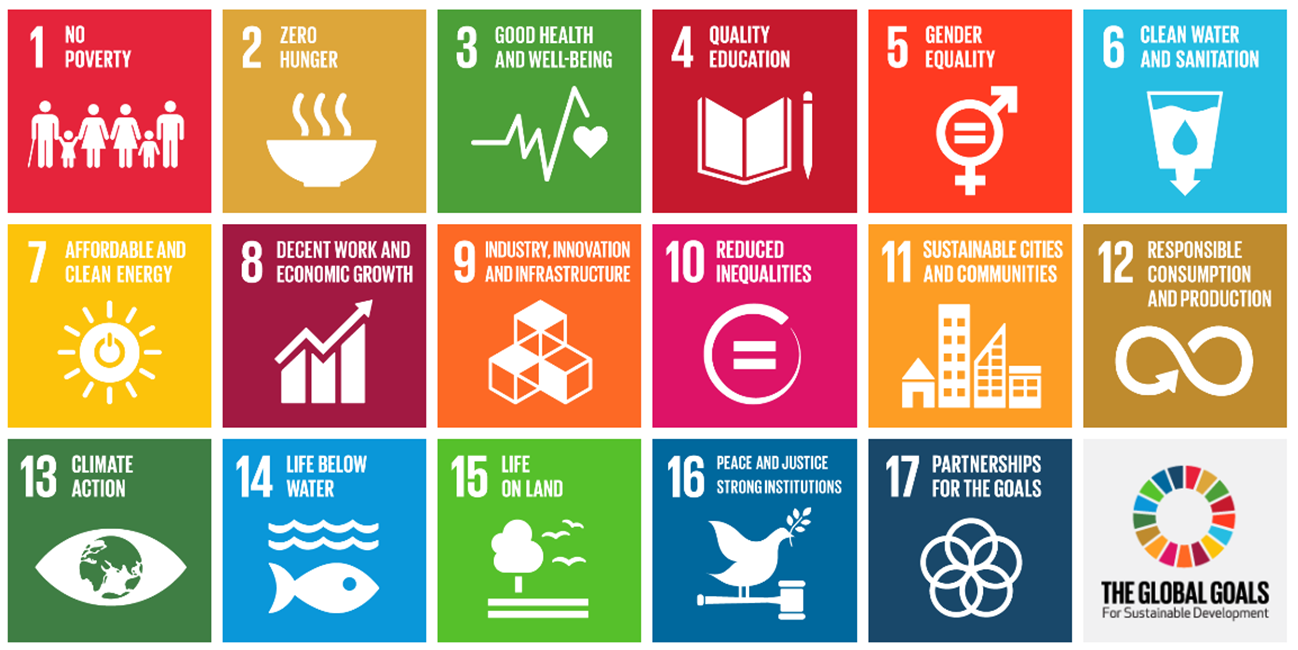
Scientific research focuses on local needs and contexts, framed within a broader, multi-scale and multi-dimensional perspective on environmental challenges. The Chair conducts mainly applied, interdisciplinary research in environmental engineering, addressing issues related to sustainable development and resource use, with particular reference to the Sustainable Development Goals. Research activities emphasize strong field-based approaches to ensure local impact and long-term sustainability, carried out in close collaboration with partners in developing regions. Fieldwork is primarily conducted in Sub-Saharan Africa (Uganda, Mozambique, Tanzania), Latin and Central America (Bolivia, Dominican Republic), and the Balkan region (Albania, Kosovo, Serbia).
Research items

Safe water supply is a critical issue in many regions of the world, especially in rural areas. We investigates technical and management problems in existing rural water supply systems. Our research showed the importance of understanding catchment-scale dynamics, like soil erosion associated with rapid land use change, in turn related to environmental, cultural and developmental factors affecting the coexistence of different population groups.

In developing countries energy demand for cooking is a major issue and is hugely affecting biodiversity conservation of forests and related animal species. Our effort consists in putting in place sustainable technical solutions to optimize local energy source consumption and reduce health problems. With forest assessment and environmental data we calculate the energy potential from biomass residuals, considering soil, fertility, economic/technical constraints, we produce sustainable scenarios and analyse power plant positioning and optimization.

The 54% of global population is living in cities. The effort of the Chair is to improve the urban planning in order to guarantee the inclusiveness of spaces, save ecosystem services and improve the sustainable management of the territory. The high concentration of citizens and their polluting products, such as waste and air pollution, amplifiy the main problem of the “living-together” jeopardizing the urban and the sub-urban landscapes. A good life is strictly related to the place where it is lived.

Climate change is increasingly affecting natural and human systems, intensifying extreme events and environmental risks. The Chair focuses on the analysis of climate variability and its interactions with land use, hydrological processes and ecosystems. Through the use of environmental data and GIS-based analyses, the Chair contributes to the understanding of climate-related impacts, supporting sustainable planning and resilience to climate change.

The Chair deepens the sediment dynamics in the river network and their development trajectory. Anthropic pressures, such as the uncontrolled deforestation, roughly affect the whole planet causing an increase of flood risk and frequency of related hazards. On the other hand, uncontrolled sediment mining from the downstream reaches of the main river system is causing an accelerated change in the river morphology with less sediments reaching the sea, high channel narrowing and incision rates.

Biodiversity conservation is a crucial objective for humankind well being and survival and therefore is universally considered a hot topic in environmental research. The effort of the Chair is understanding the interactions among the many drivers which influence the unstable balance of nature. The use of GIS analyses is essential to represent and gauge these dynamics.